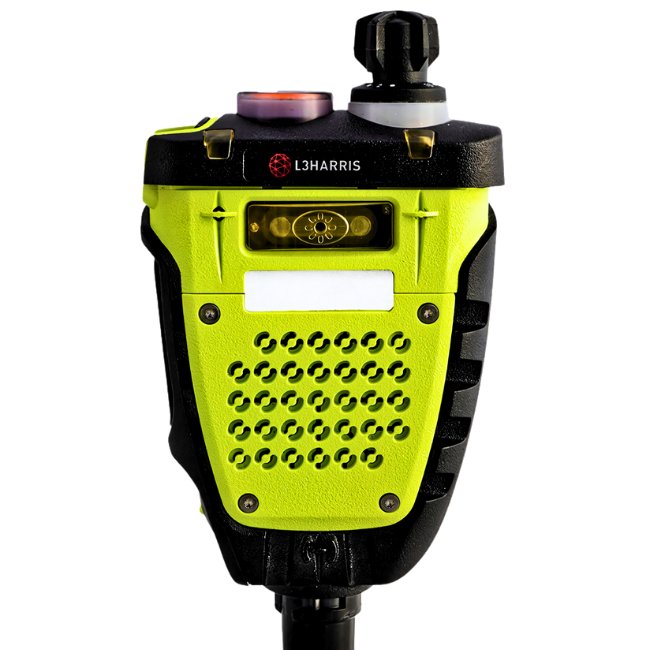
The L3Harris XL Xtrm Speaker Microphone (Model XL-AE3H) represents a paradigm shift in mission-critical audio accessories, purpose-built to withstand the absolute most punishing environments encountered by emergency responders. Co-engineered specifically for the L3Harris XL-150P, XL-185P, XL-200P, and XL-400P series portable radios, this high-visibility green remote speaker microphone (RSM) serves as a lifeline for structural firefighters, heavy industrial teams, and tactical personnel. When traditional equipment fails due to extreme heat or water submersion, the XF-AE3H ensures that communication remains continuous and clear.
Ultimate Thermal and Structural Resilience
At the core of the XF-AE3H’s design is its adherence to stringent thermal and environmental survivability standards. Built out of high-grade, fire-rated polymer housing, it is engineered to survive temperatures up to 500°F (260°C) for over 5 minutes without losing structural integrity or electronic performance. This performance metric is critical during interior structural firefighting, where flashovers and sudden thermal spikes destroy consumer-grade plastics instantly.
Furthermore, the microphone is certified to NFPA 1802 standards, the benchmark for portable RF communications equipment used by personnel in emergency services. This ruggedized pedigree includes an advanced submersion rating, allowing the unit to be fully submerged in water at depths of up to 5 meters for up to 2 hours. Whether hit by direct high-pressure hose lines, dropped into deep pools of standing water during a breach, or exposed to torrential downpours, the internal circuitry remains completely sealed and moisture-free.
Advanced Intrinsic Safety and Electrical Standards
Safety in hazardous zones extends beyond thermal limits; it requires strict control over electrical discharges. The XF-AE3H is UL Rated for Class 1, Division 2 (C1D2) locations. This certification ensures that the microphone will not produce any sparks or electrical arcs capable of igniting volatile, flammable gases, vapors, or liquid spills in the surrounding atmosphere. It is an indispensable asset for hazmat teams, chemical processing plant workers, and rescue crews operating in explosive environments.
Ergonomics Built for High-Stress Operations
In thick smoke or under intense pressure, fine motor skills degrade. The XF-AE3H addresses this reality with highly pronounced, glove-friendly mechanical controls. A top-mounted, heavily recessed Emergency Button is easily locatable by feel alone, allowing operators to trigger a distress signal instantly without looking at the unit. A ruggedized, distinct Channel Selector Knob allows users to cycle through critical talkgroups seamlessly, even when wearing thick, wet structure gloves.
To prevent miscommunications due to poor ambient settings, the microphone features an automatic power-on protocol that defaults the internal speaker volume to High. This ensures that the user never misses an incoming command due to a volume dial getting bumped downward during rigorous movement.
Sensory Tracking and Audio Intelligence
Low-visibility tracking is enhanced via a built-in, high-intensity integrated strobe light. This beacon provides structural tracking for rapid intervention teams (RIT) trying to locate a downed or disoriented firefighter in smoke-logged rooms. Additionally, an integrated ambient temperature sensor continuously monitors the operational environment, providing data that can be used to warn responders before environmental conditions reach lethal thresholds.
For voice transmission, the XF-AE3H utilizes proprietary noise cancellation technology. Structural fire scenes are deafeningly loud—characterized by roaring flames, positive pressure ventilation (PPV) fans, roaring truck engines, and piercing sirens. The microphone's internal acoustic chamber filters out these high-decibel ambient noises while prioritizing the human voice frequency band. The result is crystal-clear, intelligible audio delivered through the radio network, ensuring the incident commander hears every word of a MAYDAY or progress report on the first try.
Firmware and System Compatibility
To access the microphone's full suite of advanced processing features—including the internal temperature sensor, strobe light configurations, and custom audio profiles—the host radio must be properly updated. The paired L3Harris portable radio requires Radio Software Version R17B or later to operate. Fleet managers must ensure their radio inventory meets this baseline firmware requirement during deployment to guarantee complete plug-and-play functionality and network stability. Connection to the radio is maintained through a secure Universal Device Connector (UDC) cable lined with high-tensile reinforcement to prevent shearing and tearing during physical struggles or debris impacts.